Do not hesitage to give us a call. We are an expert team and we are happy to talk to you.
+91 99671 96174
connect@traveldesignindiatourism.com
Welcome to a divine journey with travel design!
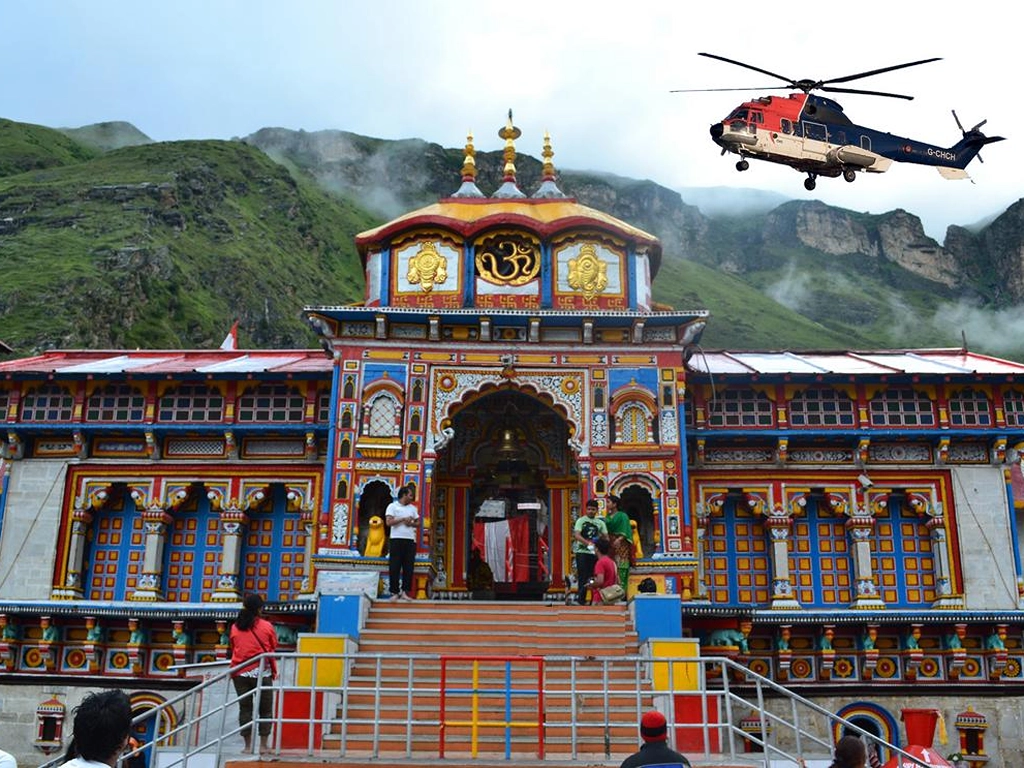
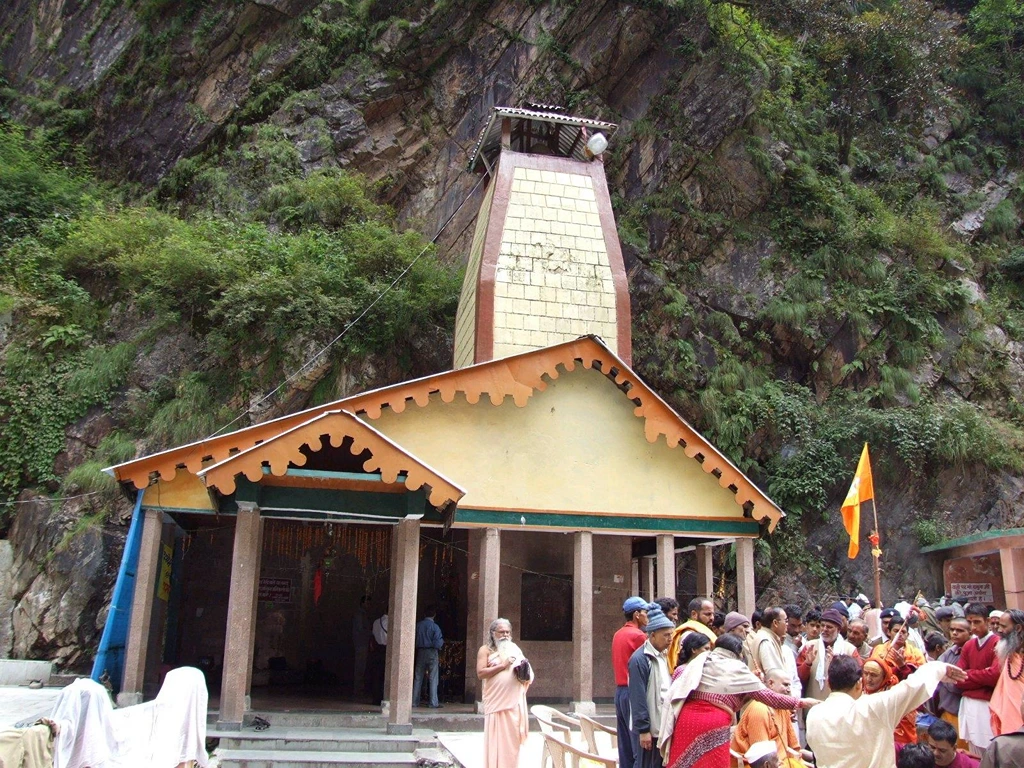
Get ready for the most unforgettable spiritual adventure of your life with our char Dham yatra by helicopter package. This exclusive 5N/6D tour, starting and ending in Dehradun, takes you to the four most sacred abodes of the gods: maa yamunotri, maa Gangotri, shri kedarnath, and shri badrinath.
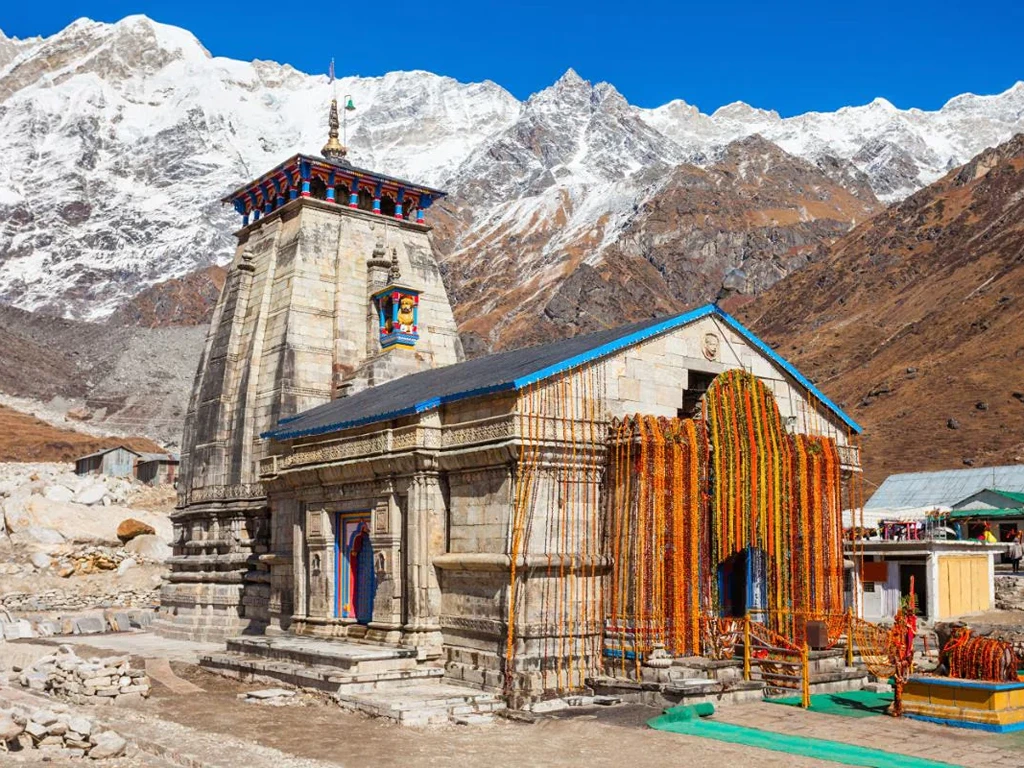
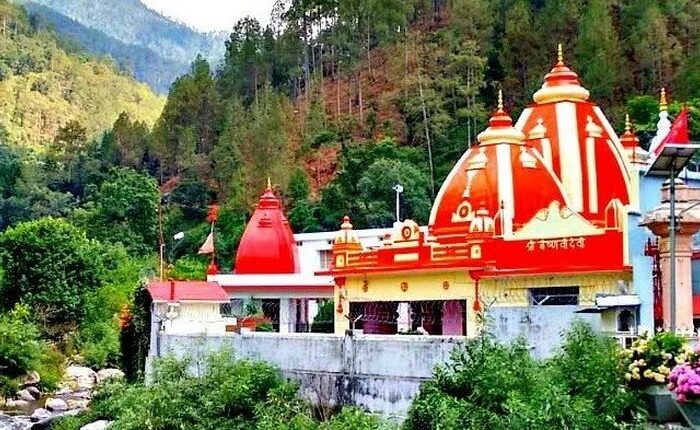
Early morning, we drive to Harsil Helipad. On arrival, we fly to Sersi Helipad. Then we again fly | continue to Kedarnath from our own same Helipad. The Temple is approx. 500 meters away from helipad and will take approx. 15 min to reach. Our representative will accompany the group and lead us for the VIP darshan in Kedarnath temple. After darshan and Poojan, the group will fly back to Sersi helipad. We will have lunch and Passengers can visit Kalimath | Vishwanath Mandir & Overnight stay at Guptkashi located at the banks of the river Mandakini.
PROGRAM SUMMARY
• Harsil Helipad to Sersi Helipad.
• Sersi to Kedarnath ji.
• Kedarnath ji Darshan.
• In the Afternoon come back to Guptkashi | Base Town for an Overnight stay.
The group is headed towards the Sersi Helipad. From the Helipad we proceed to Badrinath ji shrine. On arrival at Badrinath Helipad, The group will be Check-In to the hotel. After Lunch, we will be going to Mana village, the last border village of India with China for sightseeing. In the evening, the Passengers will attend Swarna Aarti at Badrinath Temple followed by dinner and overnight stay at Badrinath.
PROGRAM SUMMARY
• Going to Sersi Helipad
• From Sersi Helipad to Badrinath Helipad
• Afternoon sightseeing at Mana Village
• Evening Swarna Aarti
After the breakfast, while we are heading back to Dehradun, remember to see the beautiful overview of the Region, especially the picturesque view of the confluences, which is an eye-candy for nature lovers. We will fly between the beautiful valleys of thick forest and over five confluences like Vishnu Prayag, Nanda Prayag, Karna Prayag, Rudra Prayag and Dev Prayag. We will come back and drop to helipad.
When travelling, take the train or bus rather than an airplane. If you have no other option but to fly, make sure it is a direct flight to minimise its carbon imprint. 2.4% of carbon emissions are believed to come from aviation. Alternate your modes of transportation, and be careful to go slowly. When it comes to shorter distances, try cycling and walking as these activities will also provide you with a sort of workout.
As opposed to shopping in a mall or airport store, buying locally is better for the environment. You have a favourable financial effect on the community. Their homemade goods are not only a unique souvenir for your house, but they are also less priced.
Locally-owned restaurants will give you the taste of a local cuisine which you might try for the first time. While locals shop at their local market, hotels typically get their ingredients from large corporations. By eating in one of their hotels, you’re minimising your carbon footprint.
Try to pack with the clothing you currently own rather than going on a buying binge. Human clothing that is owned by people ends up in landfills in 73% of cases. Don’t allow items to go to waste. Give them to neighbours or sell them on a platform for thrift stores if you buy anything you won’t use again.
This is majorly enjoyable bucket list material. Make sure your wildlife expert is qualified, prioritises the comfort of the animals, and is familiar with the specifics of the local habitat. During the safari, don’t push the driver to take you closer to the animals. Allow the animals to relax and take it easy while you enjoy yourself.
Make sure to pick a hotel that uses green practices when you are on vacation. In order to choose a hotel and the various amenities it offers, you won’t need as many toiletries, water bottles, or meal packets if you reduce, reuse, and recycle them. Verify the policies and procedures of the hotel, but make sure you are according to a sustainable style.
Ideally, you shouldn’t leave any trash behind you. You shouldn’t carry single-use plastic either because it contributes significantly to trash and pollution. Utilising plastic-free products and using your own cloth bag are two examples of travelling sustainably.
Discover a whole region, interact with the people there; this will only make your journey more interesting, enjoyable, and, most importantly, sustainable.