

The journey to Kailash Mansarovar is not merely a pilgrimage—it is an extreme-altitude spiritual expedition that tests physical endurance, mental resilience, and logistical preparedness. At elevations exceeding 18,000 ft. during the Parikrama, packing is not about convenience—it is about survival, efficiency, and mindful minimalism.
At Travel Design Pvt. Ltd., we believe that what you carry defines how you experience this sacred journey. This is not a basic checklist—it is a refined, field-tested packing blueprint curated for discerning yatris who seek preparedness without compromise.
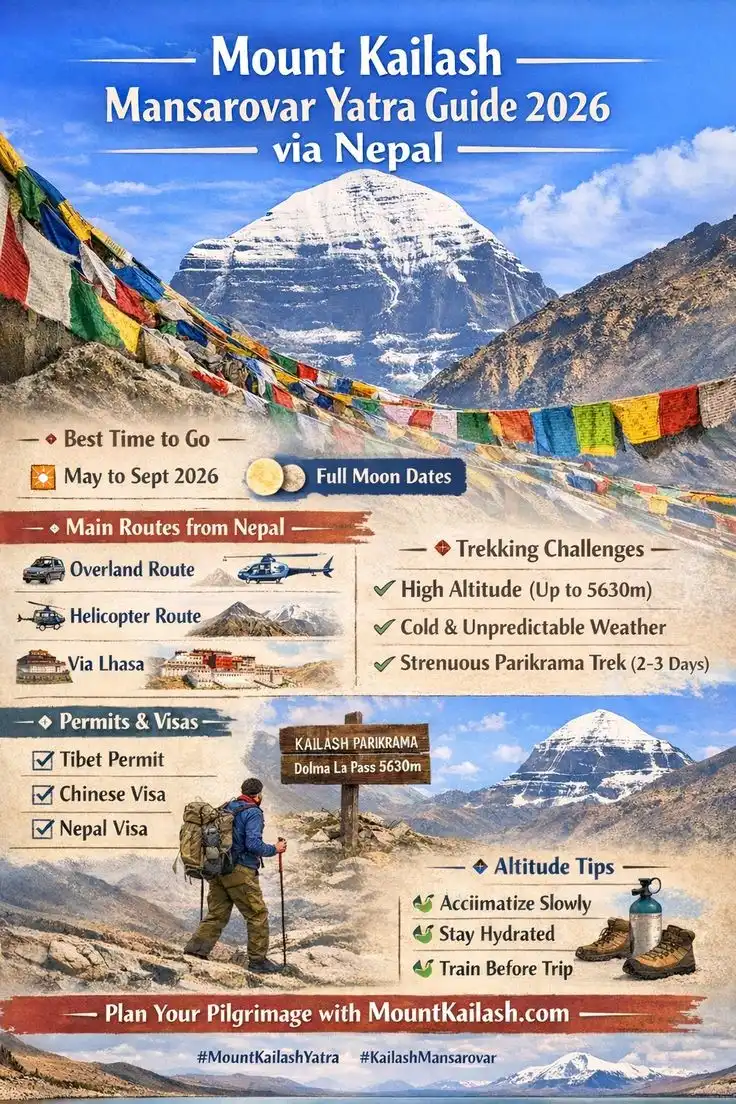
Before diving into the realities, it’s essential to understand the two primary ways to undertake this sacred pilgrimage:
Ex-Lucknow | 9 Nights / 10 Days
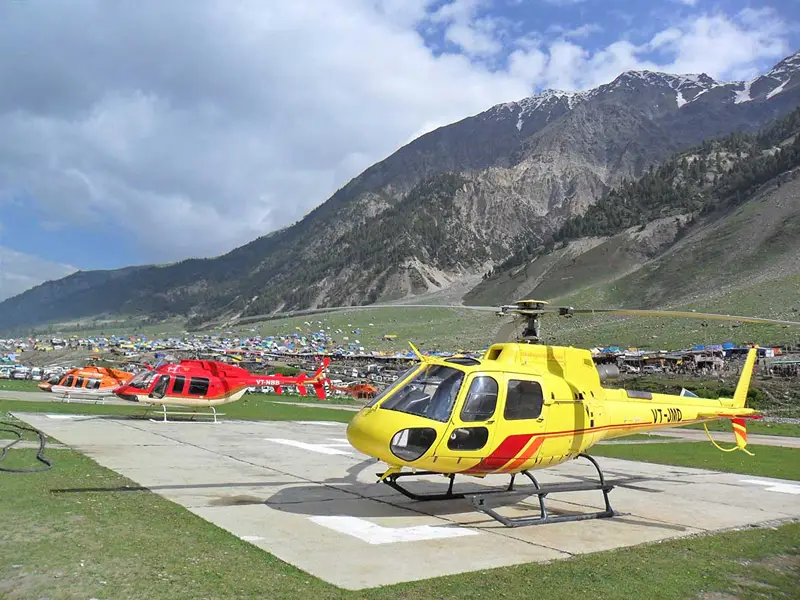
This is the faster and relatively less physically demanding route. The journey typically begins from Lucknow, moving towards Nepalgunj and Simikot, followed by helicopter transfers into Tibet.
Key Highlights:
Reality Check: While marketed as “easier,” this route still exposes you to extreme altitudes quickly—giving your body less time to acclimatize.
Ex-Nepal (Kathmandu) | 13 Nights / 14 Days
This traditional overland route begins from Kathmandu and gradually ascends into Tibet via Kerung.
Key Highlights:
Reality Check: Longer duration, extensive road travel, and physically demanding conditions—but often considered more immersive and spiritually grounding.
Beyond spirituality, the Yatra tests your endurance, patience, and emotional strength. The isolation and terrain can overwhelm even the strongest minds.
At elevations 15,000–19,500 ft., Acute Mountain Sickness (AMS) is the biggest risk. Fitness alone does not protect you.
Basic activities feel exhausting. Expect fatigue, breathlessness, low appetite, and disturbed sleep.
You may experience sunshine, snow, rain, and freezing winds—all in a single day. Conditions are especially extreme during the Dolma La Pass crossing.
Stay options range from simple guesthouses to tents. Toilets are often dry pits, and hot water is a rare luxury.
The aura around Mount Kailash is powerful—but not always euphoric. Many experience silence, introspection, or emotional release rather than instant bliss.
No reliable mobile network or internet. Inform loved ones in advance and embrace the digital detox.
Travel into Tibet is highly regulated. Approvals, weather, or geopolitical factors can cause sudden delays or cancellations.
The 52 km Kora around Kailash is physically intense. Not everyone completes it—but those who do often describe it as life-changing.
Porters, ponies, and guides are not luxuries—they are crucial for safety and success.
Layering is essential: thermals, windproof jackets, and proper trekking shoes. Over packing becomes a burden at high altitude.
Expect repetitive vegetarian meals. Carry energy bars, dry fruits, and hydration supplements.
Access to doctors and emergency evacuation is limited. A personal medical kit and prior consultation are critical.
Many return quieter, introspective, and deeply changed. The journey lingers long after it ends.
Even premium packages cannot eliminate the rawness. True luxury becomes oxygen, safety, and a successful darshan.
No matter how well you plan, uncertainty is inevitable. The Yatra teaches acceptance and surrender.
At Travel Design Pvt Ltd, we curate the Kailash Mansarovar Yatra 2026 not as a tour—but as a deeply personal spiritual passage. From helicopter expeditions to immersive overland journeys, our focus remains on:
Because this is not just about reaching Lake Mansarovar—it’s about what you discover within yourself along the way.
You don’t “complete” the Kailash Mansarovar Yatra.
It completes you.
And perhaps that is what no one truly tells you—until you experience it yourself.